Your Questions Answered
Your Questions Answered

Find your question here.
Sex 101:
Is everyone having sex?
Not everyone is having sex. It’s better to wait until you are ready, have the right partner, and do it for the right reasons.
You might consider what it means to you if your friends were having sex and you weren’t? How can you make sure you are making choices you feel good about?
How long do you think a person should wait to have sex with someone?
That depends on the person and the relationship they have. Choosing to have sex should be a careful and thoughtful decision, and not a forced one. Make sure you and your partner talk beforehand and that you both agree to what you do sexually.
Should I feel weird if my friends are having sex and I am not?
No, don’t feel weird. Whether or not people are having sex, their friends should always support them no matter what their sexual experience is. You should be among people who will help support your decision for what is right for you—whether that includes sex or not.
When can you say you really love someone?
It depends. Loves means different things for different people and it isn’t something you can measure like the temperature. Love is a big word and you probably don’t want to use it lightly. Don’t tell your partner you love them just because they said it first—make sure you are ready to say it. Talk to your partner if you are not feeling the same way they feel about you. What does love mean to you? Wait until you are ready to say it.
What is sexual pleasure?
Sexual pleasure is when you have feelings you enjoy because you are sexually aroused. Your heart might race and your skin might be flushed and more sensitive to the touch.
What is an orgasm?
Orgasm is the most intense peak of sexual pleasure. Orgasms feel different depending on what body part a person has. A person might ejaculate or the muscles around the penis or vagina might clench or pulsate when they have an orgasm.
If I don’t have an orgasm, is there something wrong with me?
No, there is nothing wrong with you. Many people don’t have orgasms or may only have them sometimes. There can be pressure to orgasm from other people, but the important thing is to get to know your own body and learn what is comfortable and pleasurable for you.
Why do I feel wet when I am aroused?
If a person has a vagina and is aroused or excited, their vagina might produce fluid that make sex more comfortable. If a person has a penis and is aroused or excited, their penis might produce pre-ejaculatory fluid, also known as pre-cum.
Does it hurt to have sex?
For some people, sex can hurt. Sometimes it hurts because there is not enough lubrication. There can be other reasons sex might be uncomfortable, for example, if a person is tense or they have an infection. If you are worried, you should talk to your health care provider.
Am I allowed to change my mind if I’m in the middle of sexual activity with someone?
Yes, you or your partner can always change your mind if you decide you want to stop whatever you are doing. This is why it is important to have good communication with your partner.

Sexual Anatomy:
How big is an average penis?
Average penis sizes are 3.6 inches flaccid/soft and can range between 4 to 6.3 inches erect/hard. No matter how big it is, no penis is too big to fit a condom. That’s a cheap excuse!
How deep is the vagina?
The vagina is a mighty organ that can be small enough to keep a tampon in place and can stretch. That’s why vaginal birth is possible.
What is intersex?
Intersex is a general term used for a variety of conditions in which a person is born with a reproductive or sexual anatomy that doesn seem to fit the typical definitions of male or female.
What is the difference between intersex and transgender individuals?
Intersex individuals have anatomy that is not considered typically male or female while transgender individuals have a gender identity that doesn’t match the sex assigned at birth.
Is douching good for the vagina?
Douching can change the vagina in a way that can result in infections. Use only lukewarm water to wash your genitals; if you must, you can use unscented soaps too. If a person is experiencing unusual odor in your genitals, talk to a health care provider because it might be a sign of infection.
What is cervical mucus and what does it do?
Cervical mucus is like any other mucus a person will find in other parts of their body except it contains hormones and it is secreted by the cervix. It gets thinner when a person ovulates and thicker when they are not ovulating. Thinner mucus allows easier passage for sperm.
What should my vagina smell like?
A vagina’s smell varies for different people. Foods, sex, medications, your laundry detergent, your wash soap all have an effect on the vaginal smell. If a person thinks they have an unpleasant vaginal smell, they should go to a health care provider to have it checked out as this may be a sign of an infection.
What is the length of an average menstrual cycle?
An average menstrual cycle lasts between 21 to 35 days and the length of a period can also vary between 2 to 7 days.
What is ovulation?
Ovulation is when an egg gets released from the ovary and travels through the fallopian tube to the uterus.
Can my medications affect my vagina?
Some medicines and antibiotics can cause vaginal dryness and even yeast infection.
Birth Control:
How does birth control change your body? (e.g., bleeding, irregularity, cramps)
Depending on you, birth control reacts with your body differently. For most, birth control may help reduce cramps, reduce bleeding during period, and help make periods become regular. Sometimes your period might be eliminated altogether. Do your research and talk to your doctor about your birth control needs to make informed decision before choosing your method. Regardless of the method you decide to go with, don’t forget your condoms, too.
What are the benefits of the IUD?
IUDs offer many other benefits than just helping you protect against pregnancy. Depending on which IUD a person uses, it can make periods more regular, help with acne, reduce chances of cervical cancer, reduce cramping, and decrease bleeding or eliminate periods all together. Talk to your health care provider to get more information.
How does IUD work to help prevent pregnancy?
Both the Copper IUD (Paragard) and the hormonal IUDs (Mirena/Sklya/Lilette) work by making the uterus an unfriendly environment for the sperm, preventing them from reaching the egg during ovulation. In addition, the progestin in the hormonal IUDs thickens up the cervical mucus which helps block the sperm from getting to the egg.
Aren’t IUDs dangerous?
IUDs have a bad rep because the original version, Dalkon Shield, had a terrible design which promoted infections, but that was years ago. Now, IUDs are much safer and effective and are perfectly suitable for teens
How big is the implant?
The implant is as small as a matchstick. Once it is inserted under the skin, it’s hard to notice, but it can be felt through the skin.
Is it true that you need to take the pill everyday at the same time?
Yes. The pills contain hormones that keep the body from ovulating. If it is taken at a later time, or it is skipped for one or more days, it is not as effective. If the pill is too hard to remember to take every day at the same time, consider a low-maintenance method like the IUD or implant.
Do other medications affect the pill?
Yes, some medications can affect the effectiveness of the pill. Make sure you tell your health care provider about all the medications you are taking.
What happens if I forget the pill one day?
If you forget one pill, take 2 right away. If you forget 2 or more pills in a given week and had sex, your safest approach is to take emergency contraception, start a new pack, and call your health care provider.
Does the pill make you fat?
This is the most common myth. The pill is one of the most studied drugs in history, and research tells us that on average people who take the pill do not gain weight.
What's a trick to remember taking birth control when I am supposed to?
A good way to not forget your birth control is to set a reminder or alarm.
What are the different brands of IUDs and how do they differ from each other?
Currently, there are four different brands of IUD: ParaGard, Mirena, Liletta, and Skyla.
ParaGard is a non-hormonal form of IUD that can help prevent pregnancy for up to ten years once inserted. It can actually cause heavier period two to three months after insertion, but this effect should not last more than three months. If periods continue to be heavy, it is important to talk with a health care provider.
Mirena and Liletta are hormonal forms of IUDs that can help prevent pregnancy for up to five years.
Skyla is a hormonal form of IUD that can help prevent pregnancy for up to three years.
The main difference between Skyla, Mirena, and Liletta is that Skyla is smaller and thus tend to work well for women who have not previously given birth.
Does the shot hurt?
It hurts as much as any other injection, but one small needle stick carries a big punch. The shot takes just a few minutes for 3 whole months of protection. That’s worth the pinch.
What if I only use spermicides?
Spermicides contain a chemical that kills sperm. They can cause irritation in the genitals and increase the risk for STIs.
Is the ring better than the pill?
The ring works just like the pill, but the ring is placed in the vagina every week. One is not better than the other, it’s a matter of preference.
What happens if the ring falls out?
If the ring falls out, just wash it under cool water and put it back in. But make sure to do so within 3 hours!
What happens if the patch peels off?
If the patch peels off, put on a new one. Always ask for a replacement patch prescription, and have an extra one on hand. If the patch was off for more than one day, put a new one on and use a back-up birth control.
How much does birth control cost and is it covered by my insurance?
It depends on your insurance, but birth control is covered under the new health insurance law. Call your clinic first and they will discuss the cost and payment options.
Emergency Contraception:
How much does emergency contraception cost?
It depends, there are different types of emergency contraception. Oral methods such as Plan B, Next Choice, and My Way, can vary in costs, although you may be able to get them cheaper from your local clinic or the internet.
Ella is an oral method that requires a prescription. Call your pharmacy to find out the cost.
The Copper-T-IUD (ParaGard) also varies greatly in cost and requires insertion at a clinic. Call your local clinic to get more information.
Does my insurance cover emergency contraceptives?
Your insurance may be able to cover emergency contraceptives depending on the type of contraception and your insurance coverage. Visit your local clinic to find out your options.
Where can I purchase emergency contraception?
You can get emergency contraception pills at your local drugstore or clinic. Some brands of oral emergency contraception may be ordered online, but remember it may take longer for shipping. You can always order it before you have unprotected sex so that you have it handy.
The Copper-T-IUD (ParaGard) must be purchased and inserted by a health care provider. But it’s better if you don’t have unprotected sex at all.
Can I use oral emergency contraception as a permanent birth control option?
No. Plan B is designed for emergency purposes only. The hormones in Plan B are very high and might be bad for your body. Consider other birth control options.
Check out the Birth Control page.
Remember, no matter what birth control method you choose to use, pair it with condoms to prevent against STIs and pregnancy.
How long do I have after having unprotected sex to use emergency contraception?
Plan B and others like it work up to 72 hours after unprotected sex.
Ella works up to five days after unprotected sex.
Copper-T-IUD (ParaGard) must be inserted up to five to seven days after unprotected sex.
The sooner you take emergency contraception, the better it works to prevent pregnancy.
Pregnancy Myths:
If you take a shower before you have sex, are you less likely to get pregnant?
Think about it. Do you think getting clean on the outside will prevent a sperm and egg from hanging out? A shower before, during, or after will make no difference. You should use protection every time you have sex.
If someone has sex while they are on their period, can they still get pregnant?
Yes, they can. Some people may bleed and think they are on their period, but they may be bleeding from ovulation (super fertile period). People with very short or irregular cycles may be ovulating while still having menstrual bleeding. Also, sperm can stay alive in your body for up to five days, which means it may stick around long after your period.
Can I get pregnant even if it is my first time having sex?
Yes! The frequency of penis-vagina sex does not determine whether you or your partner can get pregnant or not. Whether it’s your first time or your millionth time, if you have unprotected penis-vagina sex and you are not using any contraception, you or your partner can get pregnant.
If I douche immediately after sex, will it prevent me from getting pregnant?
Douching overall is not a good idea. First, it does not prevent a pregnancy. Second, it changes the flora of the vagina (good bacteria) and may cause an overgrowth of bad bacteria in the vagina which can lead to yeast infections or bacterial vaginosis and can increase your risk of getting STIs.
If I have sex standing up, will that prevent a pregnancy?
Having sex in different positions can be fun, especially with a partner you trust, but it will not protect you from pregnancy or STIs. Be sure to discuss proper forms of contraception with your partner.
Does smoking marijuana or eating the stem or seed help prevent pregnancy?
No, smoking or eating marijuana won’t prevent pregnancy. Anytime you have unprotected sex, you are putting yourself at risk for pregnancy and STIs. Drugs can impair your ability to consent to sex.
Can I get pregnant if I have sex in the hot tub?
Yes, you can. Having penis-vagina sex in a hot environment such as the hot tub reduces sperm count, but it does not eliminate total ejaculation. For best protection, always make sure you use birth control.
Do I need my parents’ permission to get birth control, STI testing, pregnancy testing, or an abortion?
It depends where you live and how old you are. In most states, you do not need your parents’ premission to get birth control, get an STI test or treatment if you are 14 or older.
Check out the Parental Consent tool in Pulse and select your state. If you are not sure, call a clinic first and ask them.
Does using birth control for a long period cause a delay in pregnancy?
Currently, there is no scientific evidence that supports this claim. Using birth control does not have any effect on a person’s future fertility. Most people can get pregnant as soon as they stop using birth control. If you are having trouble conceiving after you or your partner stop using birth control, talk to your health care provider as there may be other contributing factors.
All About Condoms:
When were condoms invented?
Many centuries ago. In the old, old days, condoms were made out of animal intestines. Yuck!
What’s the best type of condom?
It depends what you are using them for. There are latex and non-latex condoms. Latex condoms are the most common and affordable, and offer the best protection against STIs and pregnancy. If you are allergic to latex, try the non-latex options such as polyurethane and polyisoprene. For vaginal and anal sex, get condoms with lube or add lubrication. For oral sex, skip the lube and you can experiment with flavored condoms. Natural membrane or lambskin condoms are only good to prevent pregnancy, not STIs or HIV.
How do you use a condom?
There are several steps to use condoms correctly. Watch this video to see how they work.
Do I need to use a condom even though I am on birth control?
Absolutely yes. Remember, birth control only provides protection against pregnancy, not STIs or HIV.
Where can I get condoms?
You can buy them at almost every drugstore, corner stores and gas stations. Some community clinics and organizations may give condoms out for free. If you see free condoms, take a few with you.
Are there condoms for women?
Yes, these are internal condoms that are inserted into the vagina.
Internal condoms are latex free, so they’re a good option if you or your partner are sensitive to latex. Don’t use an internal and external condom at the same time—double condom means double trouble.
Are condoms effective?
Condoms can be extremely effective when used perfectly. Here’s how: store them in a cool place, use them before they expire, and use them with some lube. Check the condom page to watch how to use them correctly.
Is it better to use two condoms?
No, you only need one condom. Using two condoms at the same time can cause them to break.
How do I convince my partner to use condoms?
Not all people love condoms, and many people do not want to become pregnant and nobody wants to get an STI. Talk with your partner about using a condom every time, even if you are on birth control.
Pregnancy and Pregnancy Prevention:
How was pregnancy prevented centuries ago?
Birth control is as old as sex, and people have always tried to control how many children they have. Egyptians inserted a pessary (a thick paste) inside their vaginas made out of crocodile poop (yes, poop), honey, and sodium carbonate. Other people through history have done things like drink mercury, sneeze, hold their breath, jump, or tie weasel’s testicles to their leg before, during, and after sex. American women drank Lysol (yes, the detergent). Aren’t you happy we have better methods now? Where would we even find a weasel?
What is the best way to prevent pregnancy?
Abstinence is the best way to prevent pregnancy. If you’re going to have penis-vagina sex, birth control methods such as the IUD, implant, and pill are very effective. Double up your protection with a condom to prevent STIs.
Can you get pregnant from anal sex?
Not unless some of the semen drips into the vagina. Infections can easily be transmitted anally due to tearing of the skin inside the anus. Always use protection when you have any kind of sex.
When we are having sex, is a condom really necessary if we pull out?
Yep. In the pull-out game, timing is everything, and people don’t always get it right. Ejaculating sperm, even a little bit, before pulling out while the partner is ovulating, might lead to a pregnancy. Pulling out doesn’t prevent STIs either.
How can I know if I am pregnant?
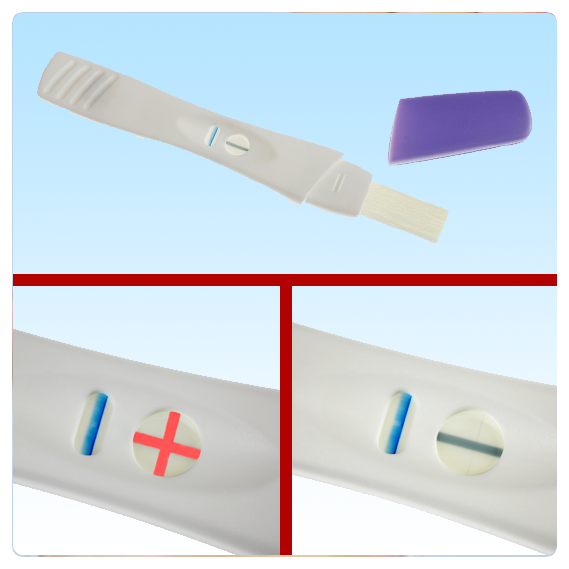
There are some physical changes that you may see, but these symptoms may not happen for everyone who is pregnant. You may also experience these symptoms and not be pregnant. The only way to know is by taking a pregnancy test at home or at a clinic. If a home test says you are not pregnant, and your period still has not come, repeat the test in a few days or get a blood test at your local clinic.
What do I do if I get pregnant?
There are several options to consider when you get pregnant. You can decide to keep the baby, have an abortion, or give the child up for adoption. The accessibility of some of these options may vary depending where you are located.
Is it dangerous to have sex while you’re pregnant?
No, it is not dangerous. You could still get or transmit an STI/HIV, which could be passed down to your fetus. It is important to know you and your partner’s status and protect yourself and your partner.
If I am thinking of having a baby in the future, what should I be doing to prepare myself?
If you are thinking about having a baby, it’s not too early to start getting ready for pregnancy. When you are ready, making a plan with your health care provider is very important to help ensure a healthy pregnancy. Here are some things that you should consider as you begin thinking about pregnancy.
How can I know how far along I am if I am pregnant?
Since it is usually difficult to calculate your exact conception date, your health care provider will calculate your due date gestational from the first day of your last menstrual period. An ultrasound machine is used to detect if you are pregnant in as early as five or six weeks after your last menstrual period.
Sexually Transmitted Infections:
What is an STI?
An STI (or STD—it’s the same thing) is an infection that is transmitted during sex. HIV, gonorrhea, Chlamydia, HPV, and herpes are all STIs.
Can you get a STI even if you don't have sex?
It depends on the STI. Almost all STIs are spread by exchange of body fluids—like semen and vaginal fluids—during sex. Others like herpes, genital warts, and pubic lice may be spread by intimate skin-to-skin contact with someone who is infected. Other infections like HIV and Hepatitis B can be transmitted sexually or through blood exchange (e.g., sharing drug needles).
Can I get STIs from oral sex?
Yes. Anytime you have unprotected vaginal, anal, or oral sex, there is a risk for STIs. Using dental dams and condoms when you engage in oral sex can help protect you from STIs. Always remember to get tested, get your partner tested, and use latex or synthetic condoms to protect yourself and your partner against STIs anytime you have any kind of sex.
I've had sex with multiple people. Should I get tested?
Yes. If you are sexually active, get a free and confidential test done at your local clinic. Whether you have had sex with one person or 100 people, it is never a bad idea to know your status. Besides, some STIs show no symptoms at all.
What is Chlamydia?
Chlamydia is the STI that affects teens the most.
What is Gonorrhea?
Gonorrhea is very common among teens as well and often has no symptoms.
What is HPV?
HPV is short for Human Papillomavirus and it is one of the most common sexually transmitted infection. HPV can be spread through, oral, anal, and penis-vagina sex and may be spread when your sexual partner has no signs or symptoms. HPV can cause genital warts and cancer.
Is there an HPV vaccine?
Yes, there are currently two vaccines: Gardasil and Cervarix approved for both males and females.
Gardasil is for people ages nine to 26. Cevarix is only approved for people with vaginas ages nine to 25. Both Gardasil and Cervarix are given in a three dosage treatment.
Is there a test for HPV?
Yes, currently there is only a test for people with vaginas.
What other STIs should I be worried about?
Though Chlamydia, Gonorrhea, and Human Papillomavirus (HPV) are the most common among young adults, other STIs such as genital herpes, syphilis, and HIV are all common.
Do condoms prevent HIV/AIDS?
When used correctly, condoms are highly effective at preventing the spread of HIV.
What is the difference between HIV and AIDS?
HIV stands for Human Immunodeficiency Virus. HIV weakens the immune system over time by destroying important cells that fight diseases.
AIDS stands for Acquired Immunodeficiency Syndrome. AIDS occurs when the number of cells that fight diseases drops very low. Not everyone who has HIV advances to the AIDS stage. With proper treatment the level of the HIV virus in the body can be kept low to help live a healthy and happy live.
What is a UTI and how do I treat it?
UTI is urinary tract infection—that means an infection in some part of your urinary system (urethra, ureters, bladder, or kidneys). It is not a STI. They are very common and are usually treated with antibiotics.
Can drinking cranberry juice and eating yogurt keep your vagina healthy?
This can be true. Cranberry juice is good in preventing urinary tract infections (UTIs) but not for treating UTIs. Cranberry juice also has tons of sugar, which is not healthy for you.
Relationships:
My partner has been asking me to send them nude pictures. I love him and I don’t want to lose him, should I just do it?
Some people sext but it can lead to unexpected consequences. Your picture may end up online, your partner may send it to their friends, and after that who knows who may see it. Even if you don’t show your face, people may know it’s you. Though you two may be in love, once a nude picture is out, you can never take it back, so weigh your options and consequences before you click send.
Is it a bad idea to get drunk before having sex?
If you are drunk (or drugged), you cannot consent to sex. This makes it a bad idea for you or your partner to be drunk or high during sex. Also, you may not protect yourself as well as you would like.
When do I step in for a friend if they have had too much to drink and they want to leave with a stranger?
Step in right away when you notice your friend is making unsafe decision like going home with someone they don’t know. If you are worried about sexual assault, remember that most rapes are done by people known by the victim. If your friend is drunk, they can’t consent to sex even if they knows the person.
Is sexting a crime?
This is a complicated question. If the people involved are under the age of 18, it is considered child pornography and it is a crime. Different states have different laws and they may prosecute differently.
What should I do if I receive someone’s nude pictures?
Just delete it. By sharing and looking at the picture, you are participating in a situation that could be very hurtful to someone and there can be legal ramifications.
LGBTQ:
What is gender identity?
Gender identity is a person’s internal, personal sense of being a man, a woman, both, or neither.
What is sexual orientation?
Sexual orientation is your identity, attraction, and your behavior. Sometimes these three pieces don’t align as you might expect and that is okay.
What does LGBTQ mean?
LGBTQ refers to Lesbian, Gay, Bisexual, Transgender, and Queer or Questioning individuals.
What is Trans?
Trans is usually short for transgender, which describes people whose gender identity differs from the sex they were assigned at birth.
Do bisexual people date equal number of guys and girls?
Maybe, the number of guys and girls dates varies depending on who they are attracted to and who they want to have relationships with.
Do LGBTQ people need to think about pregnancy?
Partners who have unprotected penis-vagina sex and they together produce eggs and sperm should take steps to avoid unplanned pregnancy like using condoms, contraception, or not having sex.
Do LGBTQ people need to think about STIs/HIV?
Yes. Any LGBTQ person who has unprotected sex needs to protect themselves from STIs/HIV. Make sure you use a condom or dental dam every time you have sex, and keep all sex toys clean.
What if I don’t feel very feminine, am I a lesbian or am I trans?
While it is possible you are a lesbian or trans, people feel lots of different ways about how they express their gender regardless of their sexual orientation or gender identity. Take some time to get to know yourself and it might help to find someone you trust to talk to.
If I meet someone who is trans what do I call them?
Address them respectfully, using the name and pronouns they use.